The Complete Guide to Recirculating Cooker Hoods for Modern Kitchens
Modern kitchens are designed not only for cooking but also for comfort, cleanliness, and style. One of the essential appliances that help maintain a fresh kitchen environment is a recirculating cooker hood. As homes become more compact and urban living spaces grow smaller, many homeowners are turning to recirculating cooker hoods as an efficient alternative to traditional ducted systems.
This article will explore what a recirculating cooker hood is, how it works, its benefits, installation considerations, and tips for choosing the right one for your kitchen.
What Is a Recirculating Cooker Hood?
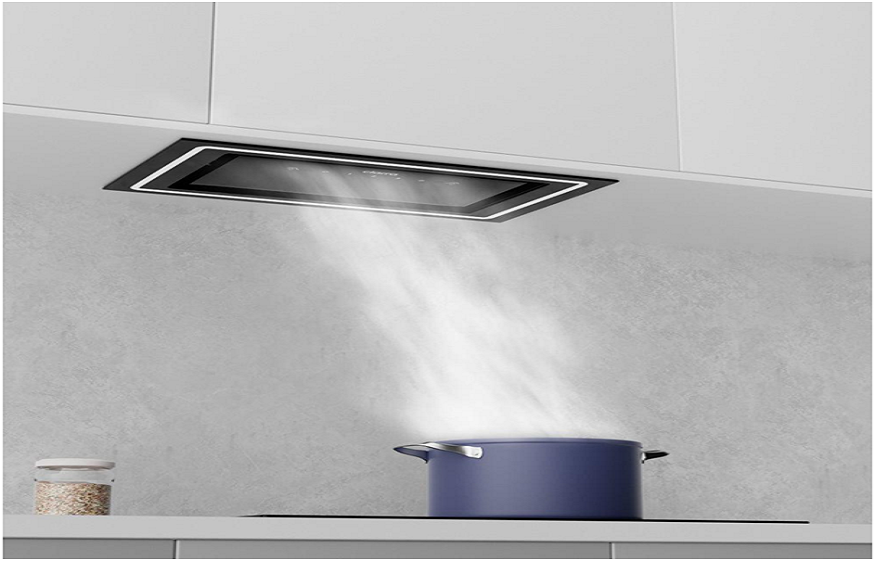
A recirculating cooker hood, also known as a ductless cooker hood, is a kitchen ventilation appliance designed to filter and clean the air produced during cooking. Instead of venting air outside through ducts, this type of cooker hood pulls in the air, filters out grease, smoke, and odors, and then releases the purified air back into the kitchen.
This makes it a convenient solution for apartments, rental homes, and kitchens where installing external ductwork is not practical. Recirculating cooker hoods are particularly popular in modern open-plan homes where maintaining indoor air quality is important without making structural changes.
How a Recirculating Cooker Hood Works
The operation of a recirculating cooker hood is relatively simple but highly effective. It relies on a multi-stage filtration system to clean the air before releasing it back into the room.
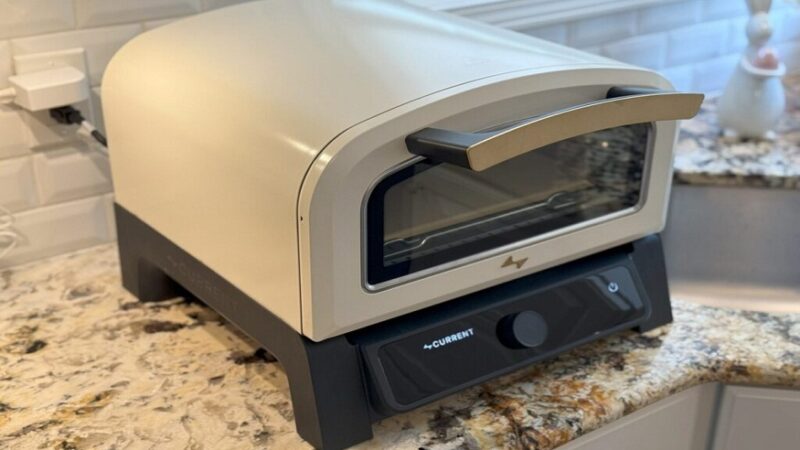
Read More: Elevating the Backyard Kitchen: Essential Features to Prioritize in a Smart Outdoor Oven
First, the hood draws in air through a fan or motor system positioned above the cooking area. The air passes through metal grease filters, which capture grease particles and oil droplets produced during cooking. These filters prevent sticky residues from spreading around the kitchen.
Next, the air passes through a carbon or charcoal filter. This stage is responsible for removing odors, smoke, and fine particles. Activated carbon is highly effective at absorbing unwanted smells, making the kitchen environment much more pleasant.
Once the air has been filtered, it is recirculated back into the kitchen, significantly cleaner and fresher than before.
Advantages of Recirculating Cooker Hoods
One of the biggest advantages of a recirculating cooker hood is easy installation. Unlike ducted systems that require drilling through walls or ceilings for ventilation pipes, a recirculating hood can usually be installed quickly with minimal modifications.
Another major benefit is flexibility in kitchen design. Because these hoods do not rely on external vents, they can be installed almost anywhere, including island cooktops and apartments where external ventilation is not allowed.
Energy efficiency is also an advantage. Since the air remains inside the house, the system does not remove heated or cooled air from the home. This can help maintain indoor temperature levels and reduce energy costs associated with heating or air conditioning.
Additionally, modern recirculating cooker hoods are designed with sleek aesthetics and advanced features such as LED lighting, touch controls, and multiple fan speeds. Many well-known manufacturers, including Ciarra, have introduced stylish and efficient models that combine performance with modern kitchen design.
Ideal Situations for Using a Recirculating Cooker Hood
Recirculating cooker hoods are especially suitable in situations where installing a ducted hood is not feasible.
For example, in apartments or condominiums, building regulations often restrict external ventilation systems. A ductless cooker hood offers a practical solution that complies with these limitations.
Similarly, in rental properties, tenants may not be permitted to modify walls or install ductwork. Recirculating hoods allow renters to improve kitchen ventilation without making permanent changes.
They are also ideal for kitchen islands or areas located far from exterior walls. In such layouts, installing ducts could be expensive and complicated. A recirculating cooker hood eliminates the need for long ventilation pipes while still providing effective air filtration.
Key Features to Look for When Choosing One
When selecting a recirculating cooker hood, there are several important factors to consider.
1. Extraction Power
Extraction power determines how effectively the hood can clean the air. It is usually measured in cubic meters per hour (m³/h). For larger kitchens or frequent cooking, a higher extraction rate is recommended.
2. Filter Quality
High-quality grease and carbon filters are essential for optimal performance. Metal grease filters should be durable and easy to clean, while carbon filters should be replaceable and long-lasting.
3. Noise Level
Some cooker hoods can be noisy, especially at higher fan speeds. Choosing a model with low noise levels can make cooking more comfortable and maintain a pleasant kitchen atmosphere.
4. Lighting
Many modern cooker hoods include built-in LED lights that illuminate the cooking surface. Good lighting improves visibility while cooking and enhances the overall look of the kitchen.
5. Size and Design
Cooker hoods come in various styles, including chimney, integrated, and island designs. The hood should match the size of your cooktop and complement your kitchen décor.
Installation Tips
Although recirculating cooker hoods are easier to install than ducted systems, proper installation is still important for optimal performance.
The hood should be mounted at the correct height above the cooktop. Typically, manufacturers recommend installing it between 60 and 75 centimeters above electric cooktops and slightly higher above gas stoves.
Ensuring a secure mounting system is also essential. The hood must be firmly attached to the wall or cabinet to prevent vibration or noise during operation.
Another key step is installing the carbon filters correctly. These filters are necessary for removing odors and must be replaced periodically according to the manufacturer’s recommendations.
Maintenance and Cleaning
Regular maintenance helps maintain the efficiency and lifespan of a recirculating cooker hood.
The grease filters should be cleaned every few weeks, depending on how often you cook. Many metal filters are dishwasher-safe, making them easy to maintain.
Carbon filters, on the other hand, cannot usually be washed and must be replaced every three to six months. Over time, the carbon becomes saturated and loses its ability to absorb odors.
It is also important to wipe down the exterior of the hood to prevent grease buildup and maintain its appearance. A mild cleaning solution and a soft cloth are usually sufficient for this task.
Limitations to Consider
While recirculating cooker hoods offer many advantages, they do have some limitations.
Because the air is not vented outside, these systems may be slightly less effective at removing heat and moisture compared to ducted hoods. In kitchens where heavy frying or grilling is common, stronger filtration and higher extraction power may be necessary.
Additionally, the need to replace carbon filters regularly can add to long-term maintenance costs. However, for many homeowners, the convenience and flexibility of ductless systems outweigh these drawbacks.
The Future of Kitchen Ventilation
Kitchen appliance technology continues to evolve, and recirculating cooker hoods are becoming more advanced each year. Modern models include smart features such as automatic air sensors, remote control operation, and energy-efficient motors.
Read More: Range Hood Insert: The Unsung Hero of Your Kitchen, Brought to You by Ciarra Appliance
Manufacturers are also focusing on quieter performance and more powerful filtration systems. These innovations are making recirculating cooker hoods an increasingly popular choice for both new homes and kitchen renovations.
Conclusion
A recirculating cooker hood is an excellent solution for kitchens where traditional ducted ventilation is not practical. By filtering grease, smoke, and odors before releasing clean air back into the room, these appliances help maintain a comfortable and hygienic cooking environment.
With easy installation, flexible design options, and modern features, recirculating cooker hoods are well-suited for apartments, rental properties, and contemporary kitchen layouts. By choosing a high-quality model and maintaining it properly, homeowners can enjoy cleaner air and a more pleasant cooking experience for years to come.
As kitchen technology continues to improve, recirculating cooker hoods are likely to become even more efficient, stylish, and user-friendly—making them a smart investment for any modern home.