
Balancing Aesthetics and Function in Modern Spaces
Modern spaces must do more than look impressive. They must work well for the people who use them. The most successful environments are those that balance beauty with practicality, creating places that are both inspiring and efficient. In commercial buildings, public facilities, and workplaces, this balance shapes how people move, interact, and feel. A well-designed space may be visually striking, but its true success lies in how seamlessly it supports everyday life.
The Purpose Behind Beauty
Aesthetic appeal is not just decoration. It influences mood, comfort, and perception. Colours, textures, and light affect how people behave and how long they stay in a space. In a restaurant, design can encourage calm conversation. In an office, it can boost energy and focus. When aesthetics are handled with intention, they become tools for communication rather than indulgence. The goal is to design places that feel good to use, not just good to look at.
Understanding the User Experience
Every environment is experienced differently depending on who uses it. Employees, visitors, and customers all have unique expectations. A reception area that feels open and welcoming sets the tone for professionalism. A workspace that allows flexibility and comfort improves productivity. Good design anticipates these varied needs without drawing attention to the mechanics behind them. Function and aesthetics should blend so naturally that people notice only how comfortable and confident they feel.
The Value of Clarity and Simplicity
Simplicity is one of the most effective design tools. A clear layout, intuitive circulation, and straightforward signage create confidence and ease. When people know instinctively where to go and how to interact with their surroundings, they feel at home. Cluttered spaces or excessive decoration can confuse rather than impress. Modern design favours simplicity not because it is fashionable, but because it works. Clarity saves time, reduces frustration, and improves safety in both public and professional environments.
Read More: A Brief Guide to Commercial Carpet Cleaning
Form That Serves Function
Design is successful when every feature serves a purpose. A well-placed window provides natural light and connection with the outdoors. Acoustic panels control noise while adding texture and warmth. Surfaces must be easy to clean as well as visually pleasing. The strongest designs integrate these requirements rather than treat them separately. This principle applies from the grandest architectural gestures to the smallest fixture in a washroom or workspace. When form and function support each other, design feels natural rather than forced.
Comfort as a Central Principle
Functionality is not only about performance; it is also about comfort. The temperature, lighting, and sound quality of a space all shape the user’s experience. Ergonomic furniture, flexible layouts, and well-considered materials contribute to wellbeing. When comfort is designed in from the beginning, people are more productive and engaged. Environments that ignore these details may look beautiful but quickly lose their appeal. A truly functional design supports health and happiness as much as efficiency.
The Role of Materials
Material selection plays a key role in balancing aesthetics and function. Natural finishes offer warmth and character, while modern composites provide durability and easy maintenance. The right combination can bridge visual appeal with long-term practicality. In high-traffic areas such as washrooms, schools, or airports, this balance is vital. Durable materials reduce maintenance while preserving a polished appearance. Well-chosen finishes signal quality and care, even when users never consciously think about them.
Technology That Disappears into the Design
The best technology in modern buildings is often invisible. It operates quietly in the background, improving experience without demanding attention. Automated lighting systems, responsive ventilation, and touch-free fixtures make environments more efficient and hygienic. A simple example is the use of hand dryers in public and commercial washrooms. They are functional necessities, yet when integrated well, they complement the visual and acoustic tone of the space. Technology should enhance design, not dominate it, helping form and function work as one.
Creating Emotional Resonance
Aesthetics do more than please the eye. They influence emotion. The warmth of natural light, the texture of wood beneath the hand, or the echo of sound in an open hall all affect how people feel. Spaces that combine sensory richness with usability leave a lasting impression. This emotional connection builds loyalty in customers and satisfaction in staff. It transforms buildings from mere structures into places where people want to spend time.
Read More: The High-Tech Pipe: Why Smart Home Plumbing is Your Best Defense Against Water Damage
Designing for Longevity
Durability is a form of elegance. Designs that age gracefully are often those where function and beauty were given equal consideration. Surfaces that wear well, layouts that can adapt, and materials that need minimal upkeep keep a space relevant for years. Environments that prioritise only style often date quickly or require constant maintenance. By thinking about the full life cycle of materials and finishes, designers can create spaces that remain appealing and functional far into the future.
Sustainability and Efficiency
In modern design, sustainability cannot be separated from function. Energy-efficient systems, natural ventilation, and responsible material choices reduce both environmental impact and operational costs. Sustainable design is also aesthetic design. Buildings that work in harmony with their surroundings feel more authentic and human. When natural light, recycled materials, and smart technology come together, the result is efficiency that looks as good as it performs.
Adapting to Modern Work and Lifestyle
As work patterns evolve, flexibility is more important than ever. Hybrid offices, shared workspaces, and multi-use environments require design that adapts quickly without losing identity. Furniture, lighting, and storage should move as easily as the people who use them. This adaptability supports a range of activities without clutter or compromise. Balancing beauty and function in these dynamic settings ensures that spaces remain relevant as needs change.
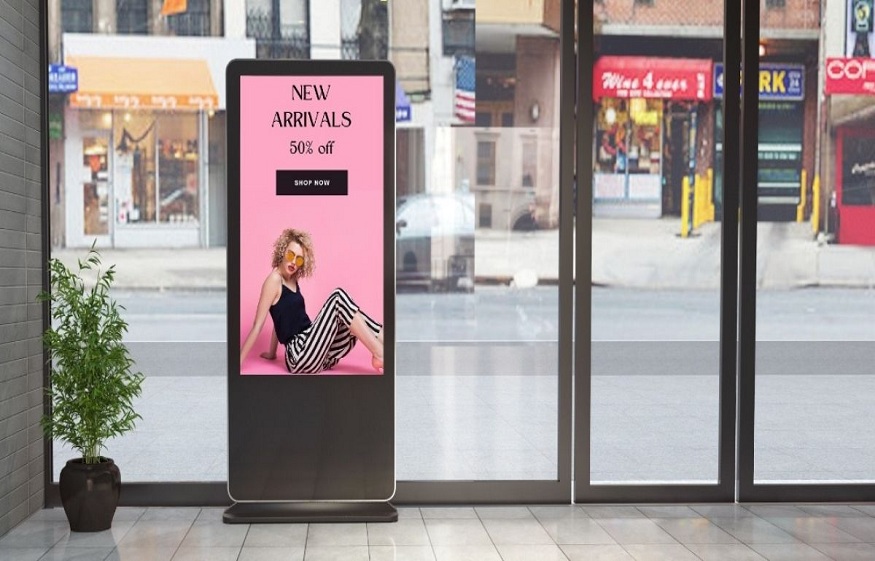
For wider commercial, hospitality, or public-facing projects, small supporting details can make the finished space feel more complete. Composite decking can provide a durable, low-maintenance surface for terraces, entrances, outdoor seating areas, and customer-facing spaces; while traditional signage can add character, direction, and brand presence; while digital signage can share changing information, promotions, menus, or wayfinding updates clearly.
Conclusion
Modern design is no longer about choosing between form and function. It is about understanding that the two are inseparable. A beautiful space that fails to work efficiently soon frustrates its users, while a purely practical one risks feeling cold and uninspired. The best designs find balance, uniting performance and pleasure in a way that feels effortless. When every material, line, and system contributes to both use and experience, buildings stop being static objects and become living environments. These are the places that inspire confidence, support productivity, and stand the test of time. Thoughtful design ensures that beauty serves purpose and purpose enhances beauty, creating modern spaces that work as well as they look.