
Designing Efficient Kitchens for Commercial Spaces
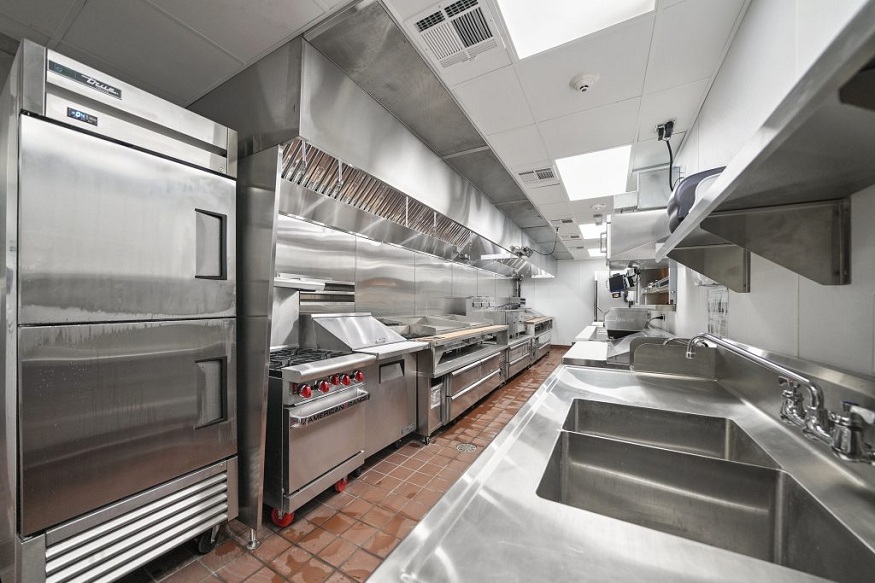
An efficient kitchen is essential. It doesn’t just improve productivity. It also reduces operational costs. When correctly applied, it can increase safety. Not to mention, it can become more cost-effective.
A primary objective of commercial kitchen design is ensuring a smooth flow to help staff work fast and efficiently. Commercial kitchen remodeling Denver doesn’t just specialize in streamlining the layout. It also specializes in streamlining the equipment placement. In turn, this minimizes unnecessary motion. Here are tips that can help:
1. Put Functionality First
A commercial kitchen layout is essential to building an efficient environment. Zones with various tasks, including cooking, prep, and storage, are necessary to keep things organized. It can be linear, U-shaped, or an island, but the aim is to make certain that every segment is simple to move around and that the personnel can operate without inconvenience. Efficient plans minimize clutter, and the kitchen becomes more workable.
An effective kitchen plan will enable the personnel to move among the stations quickly and safely. Locations of large appliances, such as ovens, refrigerators, and sinks, must be structurally oriented on the kitchen workflow. As an illustration, prep spots must be near storage and cooking spots to limit back-and-forth perspectives. This mechanism enhances output through productivity.
2. Think about the Right Ventilation and Lighting
Proper lighting and ventilation are key components. This is true, especially for commercial kitchen designs. Adequate ventilation eliminates the accumulation of heat. Thisdoesn’t just lead to better air quality. It also results in a more pleasant workplace.
Another factor is lighting. The even light makes sure that employees can read clearly when working. This minimizes mistakes. Lighting should also not create glare. That is because itcan cause accidents.
3. Optimize Storage Solutions
One significant area of a commercial kitchen is storage. Effective storage options don’t just conserve space. They also improve orderliness in the kitchen. Storing ingredients correctly makes everything within reach. It will be beneficial to have a designated area. This way, you can store dry goods to maintain order in the kitchen.
You can use all the existing shelving. A consideration of ergonomics in designing storage spaces is also prudent. There should be no unnecessary banging or contortions to reach storage spaces. This assists with the following.
- Reduce physical load on personnel.
- Facilitates a smoother workflow.
4. Consider Safety Aspects
When planning a commercial kitchen, safety is a priority. It must be designed with fire safety in mind.Properly installed fire suppression systems should also be a necessity. Also, ensure that the kitchen is devoid of debris. Safety guidelines require kitchen designers. This ensures that the workspace is safe for personnel.
To sum it up, the design of an efficient commercial kitchen must be attentive to layout. So, it is important to use the right design. This way, your kitchen won’t just run more effectively. It will also cut expenses.
The kitchen owners can maintain a healthy workplace. They can do so by paying attention to workflow optimization. This will ensure that their space addresses the needs of their business.