
Hidden Dangers in Older UK Homes: Pests, Asbestos and Faulty Wiring
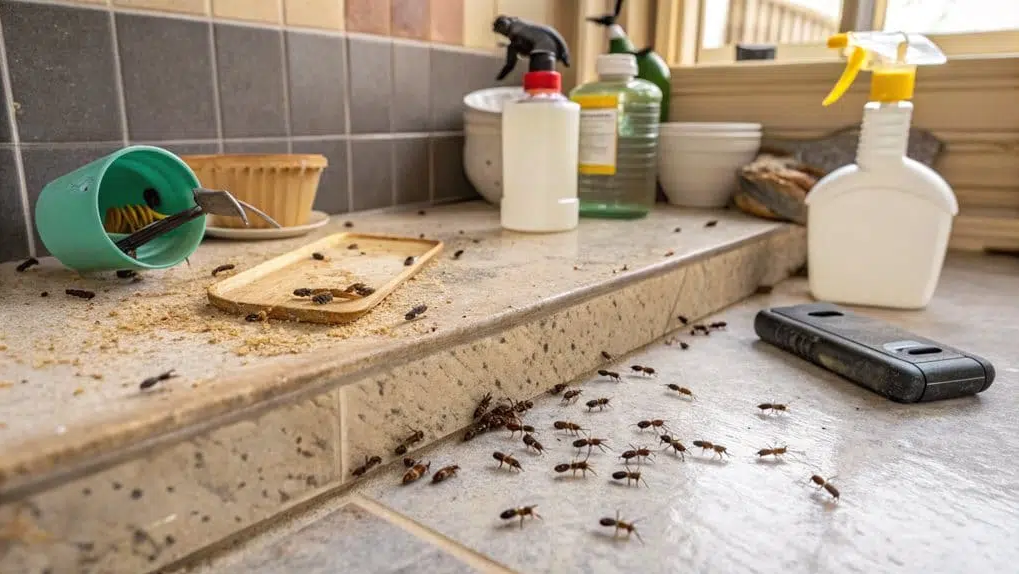
Older properties come with character — but they also come with a higher chance of hidden problems that were never properly resolved, or that have quietly developed since the last time anyone looked. Three of the most common, and most easily missed, are pest infestations, ageing electrics, and materials like asbestos that were standard building practice decades ago but are a serious concern today. None of these tend to announce themselves loudly, which is exactly why they so often go unresolved for years.
Signs of a pest problem you shouldn’t ignore
Scratching in the walls at night, droppings in the loft, or damaged woodwork are all signs of an infestation that’s often been established for longer than homeowners realise. Left untreated, pests like rodents and wood-boring insects can cause real structural and electrical damage over time, not just a hygiene issue — chewed wiring insulation in particular is a genuine fire risk that’s easy to overlook until something fails. If a pest problem should have been picked up in a survey and wasn’t, it’s worth looking into pest infestation claims to see whether the cost of treatment and repair can be recovered.
It’s worth knowing the difference between an active infestation and old, historic evidence of one — fresh droppings, gnaw marks, or nesting material point to an ongoing problem, while dry, brittle traces might simply be leftover signs from a previous issue that’s already been treated. A pest control professional can usually tell the difference quickly, which matters both for peace of mind and for understanding whether you’re dealing with a new problem or an old one that was never fully resolved, particularly if the property changed hands relatively recently and the history isn’t fully known.
Electrics that haven’t been touched in decades
Fuse boxes with old rewireable fuses, sockets that feel warm to the touch, or lights that flicker for no obvious reason are all signs of wiring that may be well past its safe working life. Faulty electrics aren’t just inconvenient — they’re a genuine fire risk, and a full rewire isn’t cheap. Where a property should have had its electrics properly checked or certified before purchase and wasn’t, electrical wiring issues claims are worth investigating.
An Electrical Installation Condition Report, carried out by a qualified electrician, is the clearest way to establish exactly what state a property’s wiring is actually in, rather than guessing based on the age of the fuse box. It’s a relatively small cost that gives a proper baseline, and it’s particularly worth having done on any property where the wiring’s age or history simply isn’t known — which, in practice, describes a lot of older UK housing stock.
Asbestos: still a real issue in pre-2000 homes
Asbestos was used extensively in UK construction until it was banned in 1999, and it’s still present in a huge number of older homes — in insulation, textured coatings, floor tiles, and roofing materials. It’s not dangerous if left undisturbed, but it becomes a serious health risk once it’s damaged or disturbed during renovation work. If asbestos wasn’t disclosed or properly identified before you bought or renovated a property, it’s worth understanding your options around asbestos claims.
The golden rule with suspected asbestos is not to disturb it while trying to find out more — sanding, drilling or removing a material that turns out to contain asbestos is exactly the scenario that releases fibres into the air. A proper survey before any renovation work on a pre-2000 property is a small upfront cost that avoids a much bigger problem, both financially and in terms of health risk, later on.
Japanese knotweed and other invasive growth
Knotweed is notorious for a reason — it can cause genuine structural damage to foundations, drains and outbuildings if left to spread, and its presence can significantly affect a property’s value and mortgageability. If it wasn’t flagged during a survey or a previous seller failed to disclose it, knotweed claims are a route worth exploring.
Read More: What Hotels Look for in a Commercial Water Purifier
Knotweed is often confused with other, harmless garden plants, so a suspected sighting is worth getting properly identified rather than assumed. It typically appears as clusters of bamboo-like stems with heart-shaped leaves, and it grows fast enough that a patch which seems minor in spring can be substantially larger by late summer — which is exactly why early identification and professional treatment matter so much.
Why a pre-purchase survey doesn’t always catch everything
It’s a common assumption that a proper survey should catch all of these issues before a sale completes, but standard surveys have real limitations. A surveyor typically won’t lift floorboards, move furniture, or access every part of a loft, and a lot of the defects covered here — a hidden nest in a wall cavity, asbestos under old flooring, wiring behind a plastered-over wall — simply aren’t visible during a standard visual inspection. This isn’t necessarily a failure on the surveyor’s part; it’s a limitation of what a non-invasive survey can realistically uncover, and it’s exactly why problems like this so often surface only once a new owner starts living in and using a property properly.
How these three issues often overlap
Pests, faulty wiring and asbestos aren’t always separate, isolated problems — in older properties they often turn up together, and sometimes make each other worse. Rodents are drawn to the warmth of wiring runs and insulation, which is exactly where older, asbestos-containing insulation is most likely to be found, meaning a pest problem in a loft can turn into a situation where disturbing it safely needs far more care than a straightforward extermination job. Recognising that these issues can be connected, rather than assessing each in total isolation, often changes how a specialist approaches the work and what precautions are needed before anything is touched.
Getting the right specialist involved early
Once one of these issues is suspected, it’s worth involving the right specialist rather than a generalist — a licensed pest controller for suspected infestations, an accredited asbestos surveyor for older materials, and a registered electrician for wiring concerns. Each of these professions carries specific certifications precisely because the assessment and remediation work involved is specialised, and a proper report from a qualified specialist is also what you’ll need if it turns out there’s a claim worth pursuing. Trying to save money with a generalist opinion at this stage often ends up costing more in the long run if the initial assessment turns out to be incomplete.
Don’t assume it’s just an old-house quirk
It’s tempting to write these issues off as the price of buying an older property, but a surprising number of them trace back to something that should have been caught, disclosed, or fixed properly before you moved in. Getting a proper opinion — rather than assuming there’s nothing to be done — is usually the first step worth taking, and it costs far less than living with an unresolved problem for years on the assumption that nothing can be done about it.
Read More: How to Find the Perfect Vacation Rental for Your Budget
