
Eco-Friendly Bathroom Upgrades That Save Water and Energy
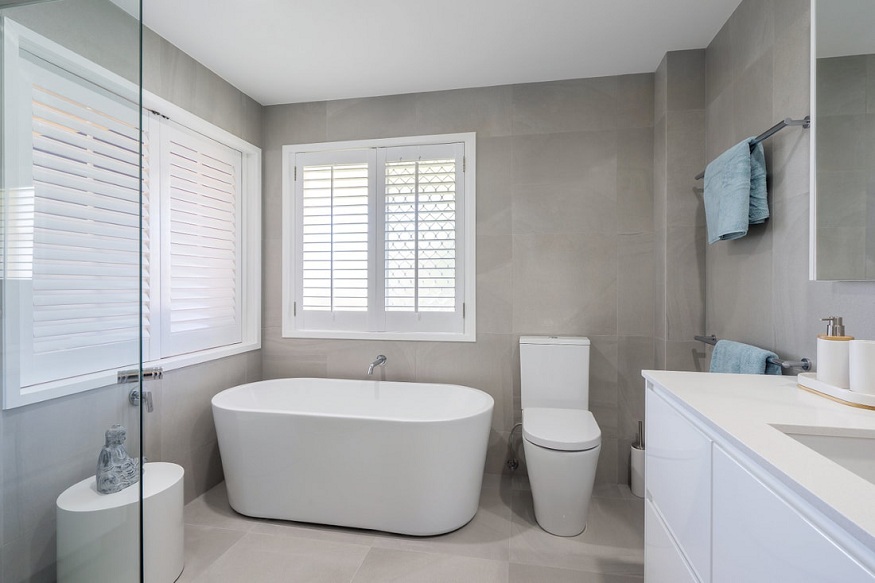
Bathrooms are one of the most resource-intensive areas of any home, using significant amounts of water and energy every day. From showers and toilets to lighting and heating, small inefficiencies can quickly add up on utility bills and environmental impact. In many Australian households, bathrooms are also one of the easiest places to make meaningful efficiency improvements without a full renovation, making them a smart starting point for sustainability-focused upgrades.
The good news is that modern eco-friendly bathroom upgrades make it easier than ever to reduce consumption without sacrificing comfort or style. Whether you’re renovating or simply upgrading a few fixtures, smart choices can significantly improve efficiency and long-term savings. These improvements also future-proof your home as regulations and buyer expectations increasingly shift toward sustainability-focused living.
Why Eco-Friendly Bathrooms Matter
Sustainable best bathrooms Gold Coast design is no longer just a trend—it’s becoming a practical necessity. With rising water costs and increasing awareness of environmental impact, homeowners are looking for ways to reduce waste while maintaining comfort.
Eco-friendly bathrooms help:
- Reduce water consumption
- Lower energy bills
- Decrease environmental impact
- Improve long-term property value
- Create a more efficient home
Even small changes can make a noticeable difference over time, especially when combined across multiple fixtures and systems.
1. Water-Efficient Showerheads
Showers are one of the biggest sources of water use in the home. Upgrading to a water-efficient showerhead is one of the simplest and most effective eco-friendly improvements.
Benefits include:
- Reduced water usage without losing pressure
- Lower hot water energy consumption
- Consistent and comfortable flow
- Long-term cost savings
Modern designs use aeration technology to maintain strong pressure while using less water.
2. Dual-Flush Toilets
Toilets account for a large portion of household water usage. Dual-flush systems give users control over how much water is used per flush.
They offer:
- A reduced flush option for liquid waste
- A full flush for solid waste
- Significant water savings over time
- Improved efficiency compared to older single-flush systems
Upgrading an older toilet can lead to substantial long-term water savings.
Read More: The Complete Guide to Recirculating Cooker Hoods for Modern Kitchens
3. Water-Saving Tapware
Bathroom taps are often overlooked, but they contribute to ongoing water usage every day.
Eco-friendly tapware includes:
- Flow restrictors to reduce water output
- Sensor-activated taps for automatic shut-off
- Mixer taps for better temperature control
These features help prevent unnecessary water waste during everyday use like handwashing and brushing teeth.
4. Energy-Efficient Lighting
Lighting plays a key role in bathroom functionality and energy consumption. Traditional lighting can be inefficient, especially if left on frequently.
Energy-saving options include:
- LED lighting (long lifespan and low energy use)
- Motion sensor lights for automatic operation
- Dimmable lighting for adjustable brightness
- Natural light optimisation through mirrors and windows
LED upgrades can significantly reduce electricity usage over time.
5. Solar or Efficient Hot Water Systems
Hot water usage is one of the biggest energy costs in a bathroom. Improving how water is heated can make a major impact on efficiency.
Options include:
- Solar hot water systems
- Heat pump water heaters
- Instantaneous (tankless) systems
- Improved insulation on hot water pipes
These systems reduce energy consumption while maintaining reliable hot water supply.
6. Improved Bathroom Ventilation
Good ventilation is essential for preventing moisture buildup, mould, and excess humidity—all of which can lead to long-term damage and inefficiency.
Eco-friendly ventilation solutions include:
- Energy-efficient exhaust fans
- Timed or sensor-activated ventilation systems
- Windows designed for natural airflow
- Heat recovery ventilation systems
Proper ventilation also reduces the need for excessive heating or cooling.
7. Sustainable Bathroom Materials
Material choice plays a big role in overall sustainability. Eco-friendly materials often last longer and require less maintenance.
Popular options include:
- Recycled or reclaimed timber vanities
- Low-VOC paints and sealants
- Recycled glass or stone tiles
- Bamboo accessories and fittings
- Durable ceramic or porcelain fixtures
Sustainable materials reduce environmental impact while maintaining a modern aesthetic.
8. Smart Water Monitoring Systems
Technology is making it easier to track and manage water usage in real time.
Smart systems can:
- Monitor water consumption
- Detect leaks early
- Provide usage insights
- Help identify inefficiencies
This allows homeowners to make informed decisions about their water habits.
Read More: Choosing the Right Wall Colour Combination for Bedroom and Hall Colour Combination for Modern Homes
9. Fixing Leaks and Drips Promptly
Even small leaks can waste large amounts of water over time. A dripping tap or running toilet may seem minor, but the impact adds up quickly.
Common issues include:
- Leaking taps
- Faulty toilet cisterns
- Showerhead drips
- Hidden pipe leaks
Prompt repairs are one of the simplest ways to improve efficiency.
10. Water-Efficient Bathroom Design
Beyond fixtures and fittings, overall bathroom design can influence water and energy efficiency.
Smart design considerations include:
- Shorter pipe runs to reduce heat loss
- Efficient layout for plumbing systems
- Placement of fixtures to reduce water waste
- Maximising natural light and airflow
A well-planned layout improves both performance and sustainability.
The Financial Benefits of Eco-Friendly Bathrooms
While sustainability is a major driver, eco-friendly upgrades also deliver financial benefits over time.
Homeowners can expect:
- Lower water bills
- Reduced energy costs
- Fewer maintenance issues
- Increased property value
- Long-term savings on utilities
Many upgrades pay for themselves through reduced ongoing expenses, especially when paired with government rebates or energy-efficient home incentives available in some regions.
Common Mistakes to Avoid
When upgrading a bathroom for efficiency, some homeowners focus only on one area and miss bigger opportunities.
Common mistakes include:
- Only upgrading taps without addressing toilets or showers
- Ignoring hidden leaks
- Choosing aesthetics over efficiency
- Overlooking ventilation systems
- Not considering long-term running costs
A holistic approach delivers the best results.
Final Thoughts
Eco-friendly bathroom upgrades are one of the most practical ways to reduce water and energy consumption in the home. From efficient showerheads and dual-flush toilets to smart lighting and sustainable materials, every improvement contributes to a more efficient and environmentally responsible household.
The key is to focus on long-term benefits rather than short-term changes. Even small upgrades, when combined, can significantly reduce utility costs and environmental impact.
By investing in smarter bathroom design and efficient fixtures, homeowners can create a space that is not only modern and comfortable but also sustainable for years to come.