
How to Choose a Pool Builder in Melbourne: What Most Homeowners Get Wrong
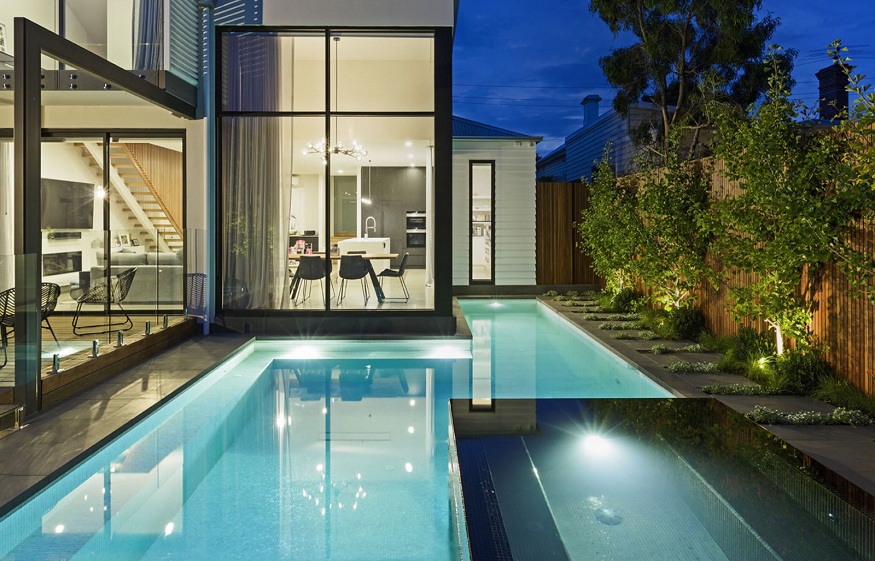
Most homeowners begin planning a pool by browsing shapes, colours, and price ranges. That makes sense — the finished product is what you can see, and it is easy to spend hours comparing fibreglass models online before you have spoken to a single builder. But the design decision, while important, is rarely what determines whether your project goes well. The factor that matters most is the builder you choose, and specifically, how they manage the construction process from the first site visit through to the day you hand them back the keys.
The pool building industry in Melbourne is large and varied. There are manufacturers, dealers, installers, and fully managed operators — and these are not the same thing. Understanding the difference is the single most useful thing you can do before signing any contract. A good starting point is to read through how pool builders in Melbourne approach the full construction process, from approvals and excavation through to final handover — the differences in scope and accountability become clear quickly.
Read More : Choosing the Right Wall Colour Combination for Bedroom and Hall Colour Combination for Modern Homes
This article covers the questions most homeowners do not know to ask, and the misconceptions that most commonly lead to project stress, unexpected costs, and drawn-out timelines.
The Most Expensive Mistake You Can Make
The most expensive mistake Melbourne homeowners make when building a pool is treating the project as a product purchase rather than a construction project. This distinction sounds minor, but it shapes every decision that follows.
When you buy a product, your primary concern is specification and price. When you commission a construction project, your primary concern should be who is managing it, what experience they have with your site conditions, how they handle variations, and what happens when something unexpected comes up — because in construction, something unexpected almost always does.
Fibreglass pools are faster to install than concrete alternatives, but they are not simple. Council approvals, excavation access, soil conditions, drainage requirements, fencing compliance, and electrical connections all need to be coordinated. A builder who manages each of these elements under a single contract will produce a fundamentally different experience to one who hands off each trade to separate contractors.
Why Local Experience in Melbourne Matters More Than You Think
Melbourne’s building environment has specific characteristics that affect pool installations. Council requirements vary considerably between municipalities — what is standard practice in one local government area may require additional documentation or longer approval timeframes in another. Builders who work exclusively in the Melbourne market understand these variations and plan around them.
Soil conditions also vary significantly across Melbourne’s suburbs. Clay-heavy soil in many middle and outer ring suburbs behaves differently to the sandy profiles found closer to the coast. Experienced local installers understand how this affects excavation, backfill requirements, and long-term structural performance. These are not details that show up in a brochure.
Access is another factor that catches homeowners off guard. Many Melbourne properties — particularly in established suburbs with narrow side gates, mature trees, or limited street access — present real logistical challenges for excavation equipment. A builder who has worked across Melbourne for many years will assess these constraints accurately in the quoting stage rather than flagging them as variations once the project has started.
What Project Management Actually Means in Pool Construction
The term project management gets used loosely in the pool industry. In practice, it means different things depending on the builder. At minimum, it should mean a single point of contact who coordinates all the trades involved in your installation — excavation, concrete, plumbing, electrical, fencing, and landscaping integration — and communicates clearly with you at each stage.
What it should not mean is a series of separate subcontractors arriving on different days with no clear oversight or accountability. This is more common than homeowners realise, and it is one of the primary causes of delays, miscommunication, and unexpected cost variations.
When evaluating builders, ask directly:
- Who is my single point of contact throughout the project?
- How do you handle variations and unexpected site conditions?
- What does your communication process look like during the build?
- Are council approvals included in your scope, and who manages that process?
The answers will tell you a great deal about how the project will actually unfold.
The Council Approval Process: What Delays Projects and What Does Not
Pool approvals in Victoria are governed by the Building Act and administered through local councils. Most residential pool installations require a building permit, and in many cases a planning permit as well — particularly in areas with heritage overlays, vegetation protections, or flood zones.
The approval timeline varies. A straightforward application in a standard residential zone can move through in a matter of weeks. A more complex site — unusual setbacks, sloped block, proximity to boundaries, or a property in an overlay area — can take considerably longer. Builders who have handled volume in Melbourne know what is likely to be straightforward and what requires more preparation.
One practical note: pool fencing compliance is a mandatory component of the approval process, and it needs to be planned from the start rather than treated as an afterthought. Fencing that is not compliant with Victorian pool safety standards will prevent a final inspection from being passed. Experienced builders factor this into the design stage.
How to Evaluate a Builder Before You Commit
Beyond checking registrations and reading reviews, there are a few practical steps worth taking before you sign a contract with any pool builder in Melbourne.
First, ask to see recent local projects — ideally within the last two to three years, in suburbs with comparable site conditions to your own. A builder with a strong track record in Melbourne will be able to point you to completed installations nearby. If they cannot, that is worth noting.
Second, review their quote structure carefully. A detailed quote that breaks down excavation, concrete works, plumbing, electrical, fencing, and approvals separately gives you a clearer picture of scope and accountability. A single lump-sum figure with minimal detail makes it harder to understand what is included and what might appear as a variation later.
Third, ask specifically about their process for managing the council approval stage. Builders who handle this in-house tend to manage it more efficiently than those who pass it to the homeowner or a third party.
Finally, consider whether the builder offers any form of display or showroom access. Being able to see actual pool shells — not just photographs — before making a final selection is a practical advantage that not all builders offer.
The Right Builder Makes the Difference
Choosing the right pool builder in Melbourne is not primarily about finding the lowest quote or the most attractive product range. It is about finding a builder with genuine local installation experience, a clear and accountable project management structure, and the capacity to guide your project from approvals through to handover without handing off accountability at each stage.
Read More : Timeless Flooring Choices for Modern Home Interiors
Homeowners who take the time to evaluate builders on these criteria — rather than focusing exclusively on pool design — consistently report better project outcomes. The pool you end up with will largely reflect the builder you choose to install it.