
Restoring Period Character: A Guide to Sash Window Restoration and Repair in London
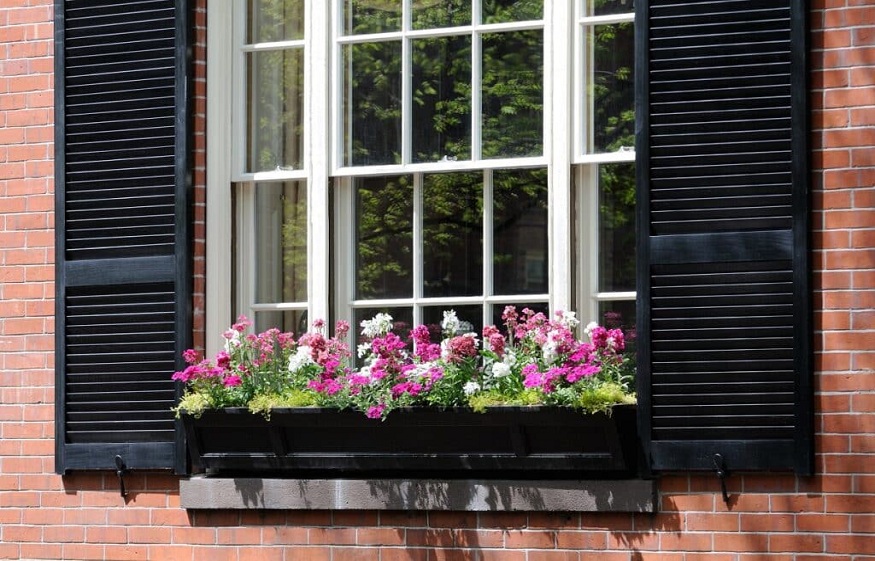
The case for keeping original timber windows
Walk down almost any Victorian, Georgian or Edwardian street in London and the character of the buildings is defined, in large part, by their windows. Original box sash windows were built from slow-grown timber that is denser and more durable than most joinery produced today, and with proper care they can last well over a century. When a sash window starts to stick, rattle or let in a draught, the instinct is often to rip it out and replace it — but in the majority of cases the original frame is worth saving.
Restoration keeps the proportions, glazing bars, horns and mouldings that give a period property its authenticity. It is also frequently the more cost-effective route, and for homes in conservation areas or listed buildings it may be the only route that satisfies planning requirements.
Common problems — and why they are rarely terminal
Most faults in old sash windows fall into a handful of familiar categories. Draughts are usually caused by worn or missing seals rather than a failing frame. Sashes that jam or drop tend to have broken cords or perished pulleys, both of which are straightforward to replace. Localised rot at the bottom rail or sill can often be cut out and spliced with new timber without disturbing the rest of the window, and misted or cracked glass can be swapped while the frame stays in place.
The key point is that these are repairs, not reasons for wholesale replacement. A window that looks tired can almost always be brought back to smooth, weathertight working order.
Read More: Choosing the Right Wall Colour Combination for Bedroom and Hall Colour Combination for Modern Homes
What restoration and repair involves
A thorough job usually begins with a survey to identify exactly which elements need attention. From there, work can include easing and re-cording the sashes, replacing worn parting beads and staff beads, splicing in new timber where rot has taken hold, re-puttying and re-glazing where needed, and fitting a discreet draught-proofing system that seals the window without changing its appearance.
Where a period home is losing heat, slim double-glazed units can sometimes be fitted into refurbished timber sashes, or secondary glazing added, improving comfort and reducing noise while retaining the original frames. Done well, the finished window operates smoothly, closes tightly and looks entirely in keeping with the age of the property.
Choosing the right specialist
Not every glazing firm is set up for heritage joinery. The work calls for craftspeople who understand traditional construction, can match existing mouldings and proportions, and will always look to repair before recommending replacement. It is worth asking to see previous work on similar period properties and checking that the company is comfortable working within conservation area and listed building requirements.
Read More: The High-Tech Pipe: Why Smart Home Plumbing is Your Best Defense Against Water Damage
For homeowners across the capital, working with a team that specialises in sash window restoration and repair London property owners can rely on makes all the difference between a quick cosmetic fix and a lasting result. A genuine specialist will start with an honest assessment of what actually needs doing — and, more often than not, that means saving the windows your home already has.

One thought on “Restoring Period Character: A Guide to Sash Window Restoration and Repair in London”