
How To Choose The Best Custom Wine Cellar
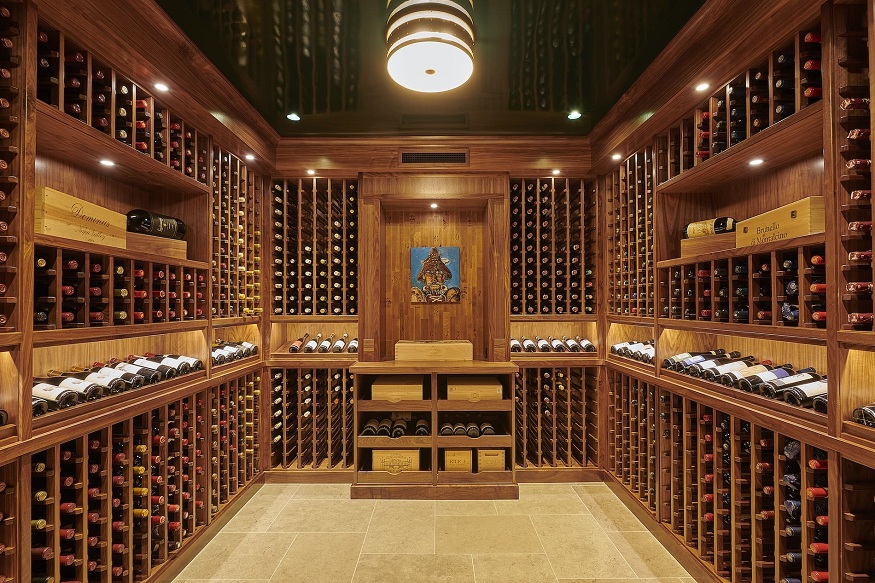
These days, homeowners are serious about investing in a wine collection. They also want the best storage for their precious wine. A well-controlled climate and a custom-built wine cellar help preserve wine for an extended period, keeping it protected from deterioration and degradation. It is a stable custom wine cellar that continues to grow. If you’re looking for a custom wine cellar design in Boston, choose the right one. Whether you’re a committed oenophile or just a casual aficionado, setting up a specific area to age and store your bottles guarantees ideal conditions and elevates your house.
Why Make a Wine Cellar Investment?
It’s annoying how many times you’ve found exceptional vintages at restaurants just to discover later that you can’t find them. Nothing compares to having your own wine storage at home, even while apps can help you keep track of bottles. In addition to protecting your collection, a well-designed wine cellar can raise the value of your home.
There is a solution for every area and budget, from elegant, contemporary wine refrigerators to deep cellars. Whether you’re working with a large underground space or a small corner, here’s how to build your own personalized wine cellar.
Locating the Ideal Spot
Finding the ideal location is the first step. It is crucial to maintain a constant temperature with some variations, ideally between 10 and 15°C (50 and 59°F). Steer clear of sunlight, garages, and kitchens where heat spikes can destroy wine.
Wine refrigerators or modular cellar units provide a useful choice for people without a basement.
Read More: How to Get the Best Water Purifier Price Without Compromising Quality
Humidity and Insulation: The Unspoken Crucial Elements
Humidity control (around 70%) keeps labels from deteriorating and corks from drying out, in addition to temperature control. A breathable tanking slurry can keep airflow while sealing damp walls in a basement.
Cellar conditioning systems, such as Eurocave’s Inoa unit, control air circulation for enhanced climate control, ensuring ideal aging conditions. A basic dehumidifier combined with a hygrometer can be very effective if you’re on a tight budget.
Selecting the Right Wine Racking System
It’s time to arrange your bottles once your surroundings have stabilized. Among the options are:
- Traditional wooden racks – Made with walnut or mahogany for elegance.
- Metal grid systems: Offer space efficiency and a modern look.
- Cast limestone displays: Present mimicking classic French cellars.
Wine kept at a modest downward slant prevents oxidation by keeping the cork moist.
Lighting and Aesthetics
Your selection should showcase your individual style while taking aging potential into account. White Burgundies and Champagnes may peak sooner, while bold reds like Bordeaux, Barolo, or Napa Cabernet benefit from decades in the cellar.
Crucial Elements Every Project Needs
Every custom wine cellar requires close attention to a few crucial components before construction:
- Vapor barriers that stop condensation and moisture infiltration
- Materials for insulation with a consistent thermal performance rating
- Climate control systems that are the right size for your room
- An appropriate framework that supports utilities and structure
- Entryways with sufficient sealing qualities
- Systems for racking that are tailored to your unique bottle sizes and collection expansion
Experts stress the significance of sequential installation while organizing the development of your wine cellar. Every layer builds on the one before it, forming an enclosure that sustains perfect circumstances all year round.
Design Approaches That Define Your Space
There must be a story behind your customized wine cabinet. As soon as someone walks in, the design communicates your appreciation for wine, architecture, and craftsmanship.
With their rich wood tones, arched doors, and traditional racking arrangements, traditional cellars conjure an air of the past. Imagine oak or mahogany with subtle ambient lighting and wrought iron accents.
Clean lines, simple hardware, and striking material contrasts are all features of contemporary designs.