
The Exterior Upgrade Most Homeowners Don’t Think About Until It’s Too Late
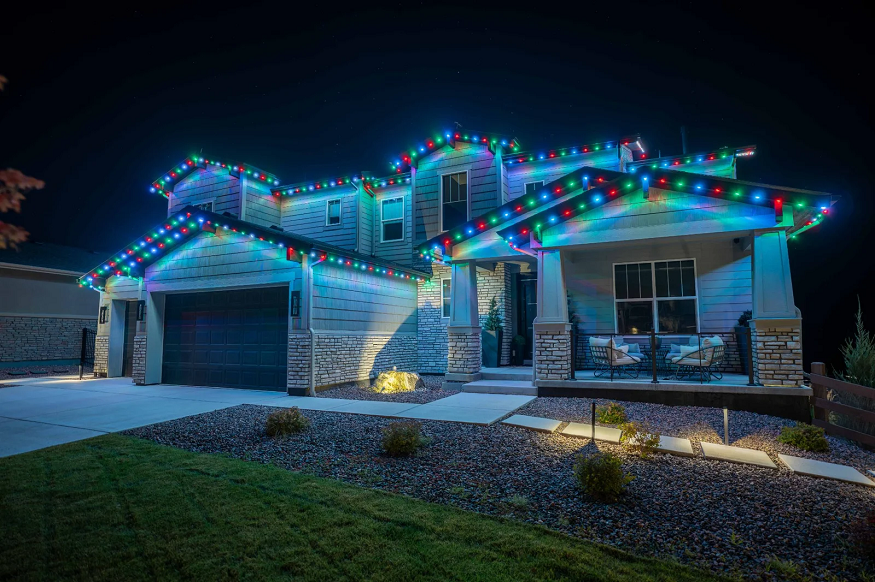
There’s a particular kind of regret that homeowners only discover after a major renovation is finished. The new siding is up, the gutters are perfect, the fascia has been freshly painted, the landscaping has been redone, the driveway has been resurfaced. Everything looks immaculate in the daylight listing photos. Then the sun goes down on the first evening in the finished home, the porch light flickers on, and the entire exterior — the thing they just spent months and a small fortune perfecting — disappears into a black silhouette. The renovation budget went almost everywhere it needed to go. It just skipped the part that controls how the home looks for half of every day.
That oversight is becoming less common, mostly because permanent outdoor lighting has matured into a standard exterior consideration the same way landscape lighting did twenty years ago. Companies like First Response Lights install discreet LED tracks under the eaves and soffits during or shortly after exterior work, while the trim is freshly accessible and the install can be coordinated with painters, gutter crews, and roofers. Done at the right moment, it’s a clean, fast addition to a bigger project. Done as a standalone retrofit a year later, it’s more expensive, more disruptive, and more likely to leave visible marks on a finish you just paid to perfect.
If you’re planning any exterior work in the next year or two, this is the moment to think about lighting — not after.
Why timing is the part nobody tells you about
Permanent lighting is, mechanically, a pretty simple system. A slim aluminum channel gets mounted under the drip edge of the roof. LED nodes sit inside the channel. A low-voltage cable runs back to a controller mounted somewhere discreet, and the controller plugs into a standard outlet and connects to the home’s Wi-Fi. None of that is complicated.
What is complicated is doing it cleanly after other exterior work is already finished.
If your fascia has just been painted, the installer has to work carefully to avoid scuffing it. If the gutters are brand new, the fasteners and brackets have to navigate around them. If the soffits were just replaced, drilling and routing through fresh material always carries the risk of small visible imperfections that didn’t exist before. None of these are dealbreakers — good installers handle them all the time — but every one of them is easier to manage when the trim is already exposed during a larger project, the painters haven’t done their final coat yet, and the gutters are scheduled to go up the following week.
The cleanest installs happen when permanent lighting is treated as one item in a larger exterior sequence rather than as an afterthought tacked onto a finished home.
Read More: How to Get the Best Water Purifier Price Without Compromising Quality
The renovation projects that should trigger a lighting conversation
A few exterior projects are obvious moments to at least get a quote, even if you ultimately decide not to install:
Repainting the exterior or fascia. This is the single best moment, because the painters can coordinate with the lighting installer to make sure the channel goes up before the final coat. The result is a system that looks like it was always part of the house.
Replacing or repairing the roof. Roofers are already on the eaves with ladders and lifts. A lighting install scheduled in the days after a roof replacement avoids paying twice for the same setup time.
New gutters or gutter guards. The drip edge area is the exact zone where permanent lighting lives. Coordinating these two projects means the gutter crew and lighting crew aren’t working around each other later.
A full exterior remodel or new construction. Obvious but worth saying — if you’re starting from a clean slate, lighting should be part of the plan from the beginning, not bolted on after move-in.
Major landscape lighting upgrades. If you’re already running a landscape lighting designer for path lights, uplights, or tree wash, getting their input on coordinating with permanent eave lighting produces a much more cohesive nighttime look than doing the two systems independently.
What separates a clean install from a regrettable one
Once you’ve decided the timing is right, the install itself determines whether you love the result or wish you hadn’t bothered.
The track has to disappear in daylight. This is the single most important quality marker. Good installers tuck the aluminum channel up under the drip edge so it’s nearly invisible from the street. Sloppy installers surface-mount it to the fascia, where it reads as a hardware strip on your home for the rest of its life. Always ask for daylight photos of completed work, not just glamour shots taken at night.
Brand differences are real but secondary to install quality. The market has consolidated around a handful of established names — Jellyfish Lighting, Trimlight, and Govee being the ones most homeowners encounter while researching. They differ in LED density, color rendering, app reliability, and warranty terms. Compare them in person if possible, but understand that a great brand poorly installed will look worse than a mid-tier brand installed beautifully.
Color temperature should match your existing fixtures. If your coach lamps and porch lights are warm-toned, the permanent system should match. A good installer asks about existing fixtures during the quote and recommends a temperature that ties everything together rather than fighting it.
Get warranty terms in writing. Some installers handle service in-house; others pass warranty claims to the manufacturer. The first option is almost always faster when something breaks years down the line. Ask before signing.
The honest assessment
Permanent outdoor lighting isn’t right for every home or every budget. If you’re planning to sell within a year, the math is harder to justify. If your home’s architecture is already heavily lit by existing fixtures and you’re happy with the nighttime look, a permanent system may be overkill. If your HOA has restrictions on exterior lighting colors, read them before committing.
But if you’re planning meaningful exterior work — paint, roof, gutters, siding, soffits, landscaping — and you’ve ever stood in your driveway after dark and thought the house looked smaller and less impressive than it does in daylight, that gap is exactly what permanent lighting closes. And the install will never be cheaper, cleaner, or less disruptive than it is during the project you’re already paying for.
The bottom line
Renovation budgets get spent on the things homeowners can see in the daytime. The exterior of the home spends nearly half its life in darkness, and traditional lighting fixtures barely scratch that surface. Permanent outdoor lighting is the one upgrade that fixes the after-dark version of your home — and the homeowners who get it right almost universally got it right by adding it to a project that was already happening, rather than trying to retrofit it months later into a finished facade.
If exterior work is on your calendar, this is the conversation worth having before the painters show up.