
Common Causes of Slow or Clogged Drains and How Experts Fix Them
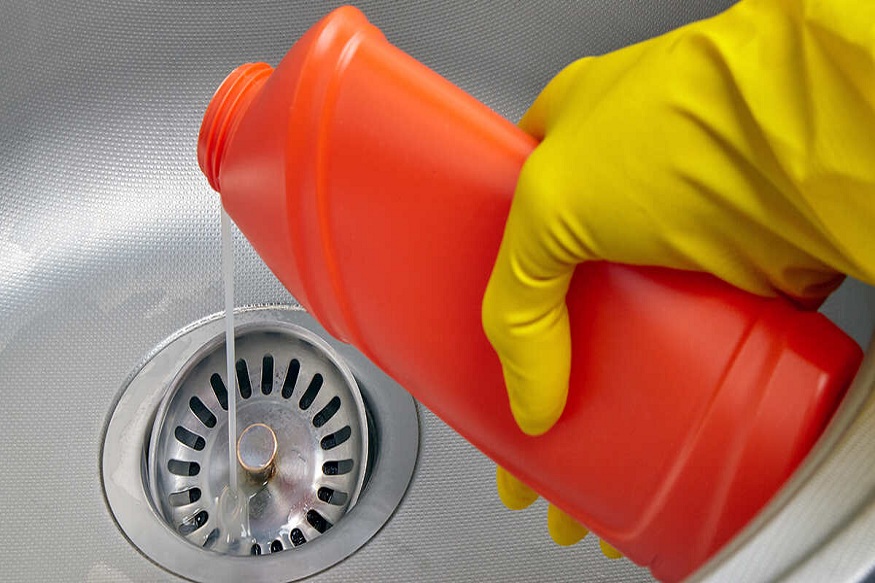
A slow drain may seem like a small inconvenience at first, but it often signals deeper plumbing issues that can grow into costly repairs if ignored. Whether it is in a home, a restaurant, an office, or an industrial facility, clogged drains disrupt daily routines and create sanitation concerns. Understanding why drains clog and how professionals solve these problems is essential for maintaining a healthy and efficient plumbing system. With the increasing demand for expert level drain cleaning and the growing reliance on commercial plumbing services in Denver, property owners now have more solutions available than ever before.
This detailed guide explains the most common causes of slow or clogged drains and reveals how trained experts diagnose and repair these issues using safe and effective methods.
Why Drains Become Slow or Fully Blocked
Drain problems do not happen overnight. They usually develop gradually as debris, buildup, or structural issues restrict water flow. Below are the most frequent causes.
Accumulated Grease and Food Particles
In kitchens, grease is one of the biggest troublemakers. Even when hot grease seems to flow easily, it cools and solidifies inside pipes. Over time, it binds with food particles and creates stubborn blockages. This is especially common in busy commercial kitchens, which is why routine drain cleaning is essential.
Read More : Modern Outdoor Living: Sustainability in Home Design
Food scraps that slip through the sink strainer can cling to pipe walls as well. Pasta, rice, coffee grounds, and fibrous vegetables swell or tangle together, slowing down water movement and eventually causing backups.
Soap Scum and Mineral Deposits
Bathroom drains often become clogged due to soap residue and mineral buildup from hard water. These substances coat the inside of pipes and reduce their internal diameter. As the layer thickens, hair and other debris stick to it more easily, making the clog stronger and more difficult to remove with simple household methods.
Hair and Cosmetic Products
Hair is one of the most common culprits in shower and sink drains. When mixed with toothpaste, shaving cream, or lotions, hair forms dense clumps that restrict water flow. These clogs usually occur close to the drain opening but can also form deeper in the plumbing line.
Foreign Objects in the Drain
Accidentally dropping objects such as bottle caps, cotton swabs, dental floss, or small toys into drains is more common than most people realize. These items block the pipe almost instantly and often require expert removal techniques.
Tree Root Intrusion
Outdoor drains and underground sewer lines can become damaged or obstructed by tree roots. Roots naturally seek moisture and can enter tiny cracks in pipes. Once inside, they expand and cause severe blockages that typically demand professional intervention.
Aging Pipes and Structural Damage
Older plumbing systems are more likely to develop cracks, corrosion, or collapsed pipe segments. These issues not only disrupt water flow but also trap debris, making clogs more frequent. Properties that have not undergone plumbing updates for several decades are especially vulnerable.
How Professionals Diagnose the Problem
When drains become persistently slow or completely blocked, qualified technicians use specialized tools to identify what is causing the issue.
Video Camera Inspection
A tiny waterproof camera is inserted into the drain line so experts can inspect the interior of the pipe. This method reveals buildup, cracks, root intrusions, foreign objects, and other issues with precision. It also prevents unnecessary digging or guesswork.
Flow and Pressure Testing
Experts use testing techniques to determine whether the drainage system has hidden leaks or pressure issues. These tests help pinpoint deeper blockages or structural damage.
Expert Methods for Fixing Slow or Clogged Drains
Once the cause is identified, professionals use targeted solutions to restore the drain to full functioning.
Professional Grade Snaking
Snaking involves using a flexible metal cable that breaks through or retrieves blockages. While store bought snaking tools exist, professional grade equipment reaches farther and clears tougher obstructions without damaging the pipes.
High Strength Drain Cleaning
Experts use advanced tools designed to remove tough buildup quickly and safely. These methods are more powerful and precise than any household option. Drain cleaning not only eliminates existing clogs but also reduces the risk of future blockages by removing residue that accumulates over time.
Hydro Jetting for Deep Cleaning
Hydro jetting is one of the most effective methods for restoring drainage systems. It uses high pressure water to clear grease, minerals, tree roots, and other heavy blockages. The strong water stream washes pipe walls thoroughly, leaving them almost like new. It is particularly valuable for restaurants, hotels, and facilities that rely on commercial plumbing services in Denver to maintain their plumbing health.
Root Removal and Sewer Line Repair
When tree roots invade underground pipes, experts use mechanical cutters or hydro jet equipment to remove them. If the pipe is cracked or collapsed, trenchless repair techniques can restore the line without major excavation. This protects landscaping and reduces project time.
Preventive Maintenance Programs
Routine maintenance is one of the most effective ways to avoid slow drains and emergency repairs. Many businesses rely on scheduled drain cleaning through commercial plumbing services in Denver to keep their systems running efficiently. Regular cleaning prevents grease buildup, removes early stage clogs, and identifies structural issues before they become expensive repairs.
Warning Signs You Should Never Ignore
While some plumbing issues appear minor, they may indicate serious underlying problems. These warning signs mean you should contact a professional soon.
Persistent Slow Drainage
If a sink or shower drains slowly even after basic cleaning, the problem is likely deeper in the pipe.
Frequent Gurgling Sounds
Gurgling noises signal air trapped by blockages or improper venting in the plumbing system.
Repeated Backups in Multiple Fixtures
If more than one drain is affected at the same time, the main sewer line could be blocked.
Foul Odors from Drains
Persistent odors are a sign of trapped waste or stagnant water in the pipes.
Water Pooling Around Floor Drains
This can indicate a major blockage or sewer line issue that needs urgent attention.
How to Reduce the Chances of Future Clogs
While professional help is sometimes unavoidable, following simple preventive steps can keep your drains clear for longer.
Use Drain Strainers
Strainers catch food, hair, and other debris before they enter the drain, significantly reducing clogs.
Avoid Pouring Grease into the Sink
Instead, allow grease to cool and dispose of it in the trash.
Rinse Drains with Hot Water
Running hot water helps prevent soap and grease from hardening inside the pipes.
Schedule Routine Drain Cleaning
Whether you manage a home or a large commercial space, periodic professional cleaning keeps the plumbing system healthy.
Be Mindful of What Goes Down the Drain
Avoid flushing wipes, cotton products, or cosmetic debris even if they claim to be safe for drains.
Slow or clogged drains are more than a minor annoyance. They can lead to structural damage, sanitation concerns, and unexpected repair bills if not handled promptly. Understanding the causes of clogged drains and relying on expert drain cleaning services helps protect your property and ensures smooth plumbing performance year round. For businesses and large facilities, the consistent support provided by commercial plumbing services in Denver offers reliable solutions that keep operations running without interruption.
Read More : Affordable Kitchens Without Compromise: How to Achieve Luxury on a Sensible Budget
With proper awareness, preventive care, and timely professional help, you can maintain clean, efficient, and long lasting drainage systems that support both comfort and safety.

