
The Ultimate Guide to Types of uPVC Windows for Modern Homes
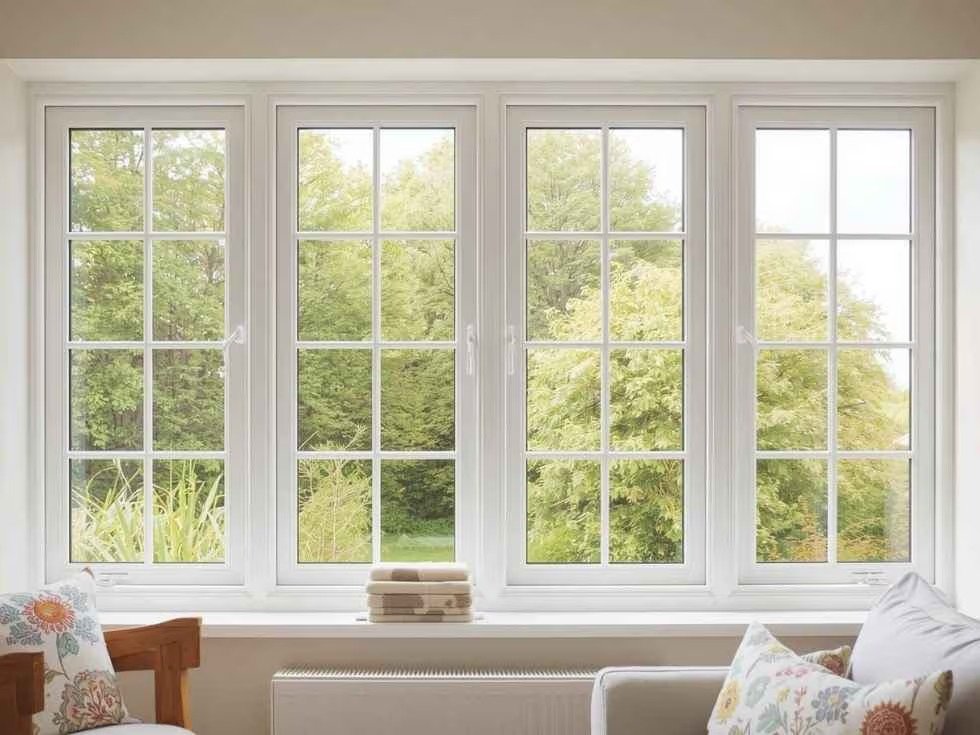
Ask any architect or interior designer what changes a room instantly, and windows will come up early in the conversation. They control light, airflow, noise, and honestly, a good chunk of how “finished” a home feels. That’s probably why so many homeowners across India have quietly switched over to uPVC in the last few years — for their houses, and increasingly for offices too.
So if you’re mid-way through a renovation or planning a new build, this one’s for you. We’re breaking down the main types of uPVC windows, what each one is actually good at, and how to pick between them without second-guessing yourself later. Everything here reflects the product range built by APL Apollo Doors and Windows.
First, What Exactly Is a uPVC Window?
uPVC is short for Unplasticized Polyvinyl Chloride — a bit of a mouthful, but the material itself is straightforward. It’s tough, it doesn’t need babying, and it’s what most window and door frames are moving toward now.
The reason it’s caught on so quickly is simple: uPVC doesn’t warp, rot, rust, or corrode, even after years of monsoons and blistering summers. Wood and metal can’t always say the same. For a country with weather as unpredictable as India’s, that durability matters more than people expect until they’ve lived through a couple of bad seasons.
The Main Types of uPVC Windows Worth Knowing About
There isn’t a single “best” window that works everywhere in a house. A window that’s perfect for your balcony might feel wrong in your study. Once you know what each style actually does, though, matching one to a room stops being guesswork. Here’s what APL Apollo offers.
uPVC Casement Windows
This is the design most people picture when they think of a classic window — and for good reason, it’s been around in Indian homes for a long time. Casement windows are hinged along one side and swing open inward or outward, a bit like a door does. Simple mechanism, nothing to overthink.
What makes it worth considering as a uPVC openable window is how much air and light it lets in when fully open. Because the whole sash swings clear, there’s nothing blocking your view outside. And when it’s shut, the hinged seal keeps dust, rain, and street noise out surprisingly well. You’ll find these available in both single and double sash configurations, and most come with multi-point locking for extra peace of mind.
Where do they work best? Bedrooms, living rooms, kitchens, study rooms, and office spaces — really, anywhere ventilation is the priority.
uPVC Sliding Windows
If space is tight, this is usually the answer. uPVC sliding windows use two panels — one stays fixed, the other glides sideways along a track — so there’s no need to clear space in front of or behind the window for it to open.
That’s the whole appeal, really. No swinging arc to worry about, which makes them a natural fit for apartments and balconies where every square foot counts. They also happen to look clean and contemporary, let in plenty of daylight, and don’t ask much in terms of upkeep beyond keeping the track dust-free.
Best suited to apartments, balconies, and any room where space is at a premium.
uPVC Tilt and Turn Windows
This one’s a bit cleverer than it sounds. A single window, two entirely different ways to open it. Turn the handle one way, and the top of the sash tilts inward for a controlled trickle of ventilation — good for a rainy evening when you still want fresh air. Turn it the other way, and the whole window swings open like a casement.
That flexibility is really the selling point. It also tends to be easier to clean from inside (handy if you live a few floors up), comes with solid security features, and holds up well against noise and temperature swings.
Tends to suit high-rise apartments, modern homes, and office interiors particularly well.
uPVC Villa Windows
As the name gives away, these are built with larger homes in mind. Villa windows are simply bigger versions of the standard designs — built for spaces where scale and appearance matter as much as function.
Don’t mistake size for weakness, though. They’re engineered to handle the same weather stress as smaller windows while adding a noticeably more upscale look to a facade. Expect less heat transfer and better noise control too, which matters more in a large open room than people realise.
These are the windows for villas, bungalows, and premium homes where the windows are meant to make a statement, not just do a job.
At a Glance
| Window Type | How It Opens | Works Best In | What It’s Known For |
| Casement Windows | Side-hinged, swings in or out | Bedrooms, living rooms, kitchens | Maximum ventilation |
| Sliding Windows | Glides horizontally on a track | Apartments, balconies | Saving space |
| Tilt and Turn Windows | Tilts inward or swings fully open | High-rise apartments, offices | Flexible airflow control |
| Villa Windows | Large-format casement style | Villas, bungalows | Statement look, built to last |
What All APL Apollo uPVC Windows Have in Common
No matter which style you land on, there’s a shared set of qualities running through APL Apollo’s entire range:
- Weather resistant — built to hold up against rain, dust, and heavy winds
- Low maintenance — no painting, no polishing, just the occasional wipe-down
- Strong insulation — helps interiors stay cooler in summer and warmer in winter
- Fire retardant — an added layer of safety most people don’t think about until it matters
- Termite and corrosion proof — won’t attract pests or break down over time
- Eco-conscious — a more sustainable pick for new construction
- Strong and secure — frames that don’t lose their strength as the years go by
Read More: Restoring Period Character: A Guide to Sash Window Restoration and Repair in London
So, How Do You Actually Choose the Best uPVC Windows for Your Home?
With four solid styles to pick from, it’s easy to get stuck comparing specs instead of just deciding. A few things genuinely help narrow it down:
- Opening style — Think about how the window needs to function day to day. Casement, sliding, and tilt & turn each suit different rooms and airflow needs, so match the mechanism to how you’ll actually use the space.
- Glass glazing — The glass matters more than people assume. Single glazing works fine for sheltered spots, double glazing helps with noise and heat, and laminated or reinforced glass adds extra impact resistance where security is a concern.
- Climate compatibility — Indian weather doesn’t go easy on building materials. Pick a design that can take on humidity, heavy rain, and intense heat without warping or fading.
- Design and aesthetics — uPVC comes in enough finishes now that matching your home’s look isn’t hard, inside or out.
- Budget — Price shifts depending on style, glass, hardware, and installation, but uPVC windows are generally reasonably priced, which is a big part of why they’ve become so popular in the first place.
- Brand — Go with a manufacturer that stands behind the product with real warranties, solid profiles, and proper installation support.
Why APL Apollo Has Become Known for High Quality uPVC Windows
APL Apollo has been in this industry for more than 35 years now, which is long enough to have earned a reputation as one of India’s more trusted names in precision-engineered uPVC windows and doors. A few things back that up:
- In-house R&D that keeps pushing toward smarter, stronger, more sustainable window designs
- 9 manufacturing plants across India, running a combined production capacity of 2.16 Lacs MTPA
- 1,000+ channel partners and 40,000+ customer touchpoints, so getting access to the product (and support after) isn’t a hassle
- 2,600+ SKUs, giving homeowners plenty of room to pick a design that actually fits their space
- Products that meet European certifications and international quality benchmarks
- Recognition including the Iconic Brands Award of India and the Best Manufacturing Award
Where Do uPVC Windows Actually Get Used?
Pretty much everywhere, honestly. On the residential side, APL Apollo’s windows show up in living rooms, bedrooms, kitchens, balconies, bathrooms, and study rooms. On the commercial side, they’re just as common in offices, hotels, and hospitals — spaces where durability and low upkeep matter just as much as looks.
Quick Recap
If you’re skimming before you scroll back up, here’s the short version:
- uPVC is a tough, weather-resistant material that won’t warp, rot, or corrode over time.
- The core types of uPVC windows are casement, sliding, tilt and turn, and villa — each built for a different kind of room.
- Casement windows are a dependable uPVC openable window choice when ventilation is the priority.
- uPVC sliding windows are the go-to for apartments and balconies where space is limited.
- Before buying, weigh up opening style, glazing, climate, design, and budget.
- APL Apollo, with 35+ years of experience and a pan-India footprint, is known for delivering high quality uPVC windows suited to Indian homes.
Final Thoughts
At the end of the day, picking from the different types of uPVC windows out there doesn’t need to be complicated once you understand what each one is built for. Casement gives you airflow, sliding saves you space, tilt and turn gives you flexibility, and villa windows bring in the scale and look for bigger homes. If you’re after the best uPVC windows backed by real durability and craftsmanship, APL Apollo’s range is worth a closer look.
Read More: The Complete Guide to Annual Boiler Servicing: Why Every UK Homeowner Shouldn’t Skip It
Frequently Asked Questions
- What are the different types of uPVC windows?
The main options are casement windows, sliding windows, tilt and turn windows, and villa windows. Each brings something different to the table in terms of ventilation, functionality, and overall look.
- Which type of uPVC window works best for homes in India?
It really depends on the room. Casement windows are great when you want maximum ventilation, sliding windows work well in compact spaces, and tilt and turn windows offer a bit of both plus easier maintenance.
- How do I pick the best uPVC windows for my home?
Look at opening style, glass type, ventilation needs, how well it handles local climate, design preferences, your budget, and — just as important — the manufacturer’s track record.
- Is APL Apollo a reliable name for uPVC windows?
Yes, with 35+ years in the industry, 9 manufacturing plants, 1,000+ channel partners, and 40,000+ customer touchpoints across India, APL Apollo has built a solid reputation for high quality uPVC windows.