
When and How Often Septic Tank Inspections Should Be Done
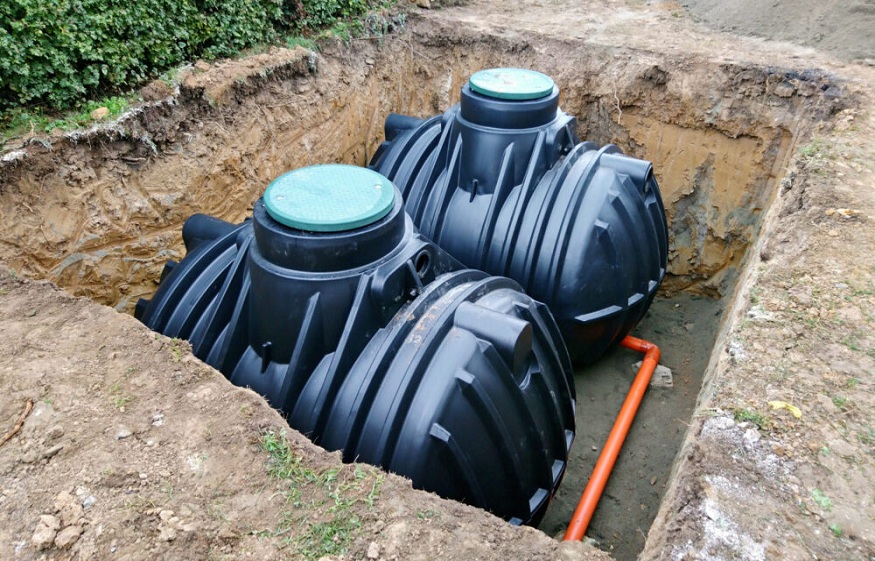
Septic systems play a critical role in managing wastewater for homes and properties that are not connected to municipal sewer lines. Because these systems operate underground and out of sight, problems can develop unnoticed until they become costly and disruptive. Understanding when and how often septic tank inspections should be done helps property owners protect their investment, maintain proper sanitation, and avoid unexpected repairs. Regular attention to septic systems ensures long-term functionality and supports environmental safety.
Understanding the Purpose of Septic Tank Inspections
Septic tank inspections are designed to evaluate the overall condition and performance of a septic system. During an inspection, professionals assess the tank structure, sludge and scum levels, inlet and outlet pipes, and signs of leaks or blockages. This process helps identify potential issues before they escalate into system failure or contamination of surrounding soil and groundwater.
Read More : Choosing the Right Wall Colour Combination for Bedroom and Hall Colour Combination for Modern Homes
Routine septic tank inspections are not just about detecting damage. They also provide insight into how well the system is handling household wastewater based on usage patterns, tank size, and maintenance history. By monitoring these factors, inspections help determine whether pumping schedules are adequate and whether the system is being used within its design limits.
For homeowners, inspections offer peace of mind. Knowing that the septic system is functioning properly reduces the risk of sewage backups, unpleasant odors, and costly emergency repairs. Inspections also support compliance with local health regulations, which may require documentation of septic system condition for certain properties.
When Septic Tank Inspections Should Be Scheduled
The timing of septic tank inspections depends on several factors, including property ownership changes, system age, and signs of potential problems. One of the most important times to schedule septic tank inspections is before buying or selling a property. Real estate transactions often require confirmation that the septic system is in good working order, protecting both buyers and sellers from future disputes or unexpected expenses.
Inspections should also be scheduled if a property owner notices warning signs such as slow drains, gurgling pipes, standing water near the drain field, or persistent sewage odors. These symptoms may indicate blockages, overfilled tanks, or drain field issues that require immediate attention. Addressing these problems early through inspections can prevent system failure and environmental contamination.
Newly installed systems should be inspected within the first year of operation to ensure proper installation and performance. Early inspections help identify installation errors or usage issues that could shorten the lifespan of the system. Additionally, older septic systems benefit from more frequent evaluations, as aging components are more susceptible to cracks, corrosion, and reduced efficiency.
How Often Septic Tank Inspections Should Be Done
How often septic tank inspections should be done varies based on household size, water usage, and system design. In general, most experts recommend having septic tank inspections performed every three to five years for standard residential systems. This interval allows professionals to monitor system health and recommend pumping schedules that prevent overloading.
Homes with larger families or higher water usage may require more frequent inspections. Increased wastewater flow places additional stress on the septic system, increasing the likelihood of buildup and wear. Similarly, properties with garbage disposals or heavy appliance use may benefit from inspections every two to three years to ensure the system is not being overwhelmed.
Commercial properties and rental units often require more frequent septic tank inspections due to higher and more variable usage. Regular inspections help ensure compliance with health regulations and reduce the risk of service interruptions. For these properties, annual inspections may be recommended to maintain system reliability and safety.
Local regulations can also influence inspection frequency. Some municipalities require routine septic tank inspections as part of environmental protection programs. Property owners should be aware of local guidelines and ensure inspections are scheduled accordingly to avoid penalties or compliance issues.
Factors That Influence Inspection Frequency
Several factors influence how often septic tank inspections should be conducted. Soil type plays a significant role, as sandy soils drain more quickly while clay soils retain moisture, affecting drain field performance. Systems installed in challenging soil conditions may require closer monitoring to prevent saturation and failure.
Climate is another important consideration. Areas with heavy rainfall or flooding are more prone to drain field issues, making regular septic tank inspections essential for detecting water intrusion or soil displacement. Seasonal inspections can help identify problems caused by weather-related stress before they worsen.
The age and design of the septic system also affect inspection needs. Older systems may not meet current standards and often require more frequent evaluations. Advanced treatment systems with pumps or filters may require annual inspections to ensure mechanical components are functioning correctly. Understanding these variables helps property owners establish an inspection schedule tailored to their specific system.
The Role of Preventive Maintenance in Septic System Health
Preventive maintenance works hand in hand with septic tank inspections to extend system lifespan. Inspections provide valuable information that guides maintenance decisions, such as when to pump the tank or adjust water usage habits. Regular monitoring reduces the risk of sudden failures and supports efficient wastewater treatment.
Read More : Modern Outdoor Living: Sustainability in Home Design
Inspections also educate property owners about best practices for septic system care. Understanding what materials should not enter the system, how water usage affects performance, and how landscaping choices impact drain fields helps maintain system health. Over time, these insights contribute to fewer repairs and lower long-term costs.
By prioritizing septic tank inspections as part of routine property maintenance, homeowners and property managers can address small issues before they become major problems. This proactive approach protects both the property and the surrounding environment, ensuring the septic system continues to operate safely and effectively.
Knowing when and how often septic tank inspections should be done is essential for responsible property ownership. Regular inspections support early problem detection, guide maintenance schedules, and help prevent costly repairs. By scheduling septic tank inspections at appropriate intervals and responding promptly to warning signs, property owners can maintain reliable wastewater systems and safeguard long-term property value.
